ashmostro
Senior Member
- Thread starter
- #31
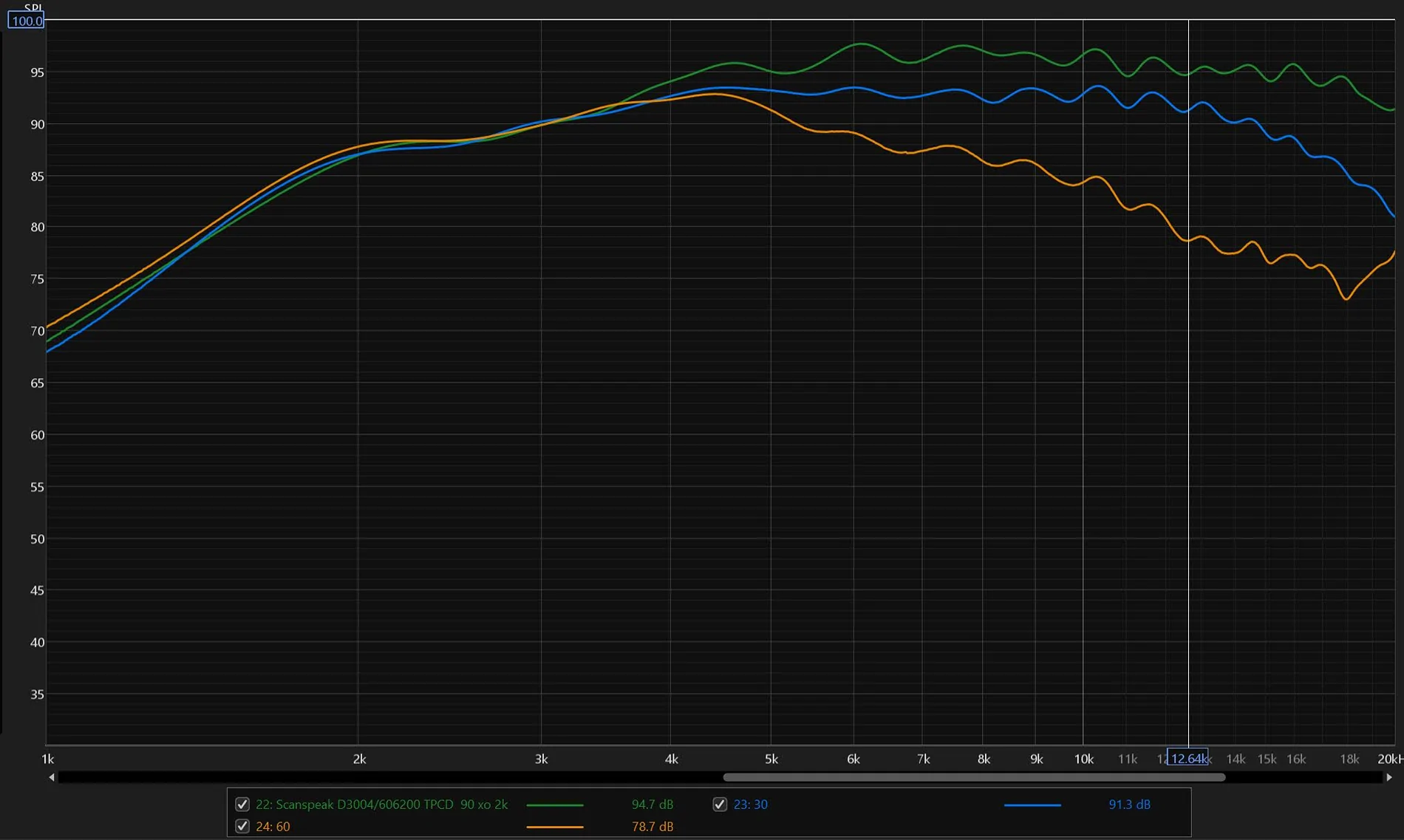
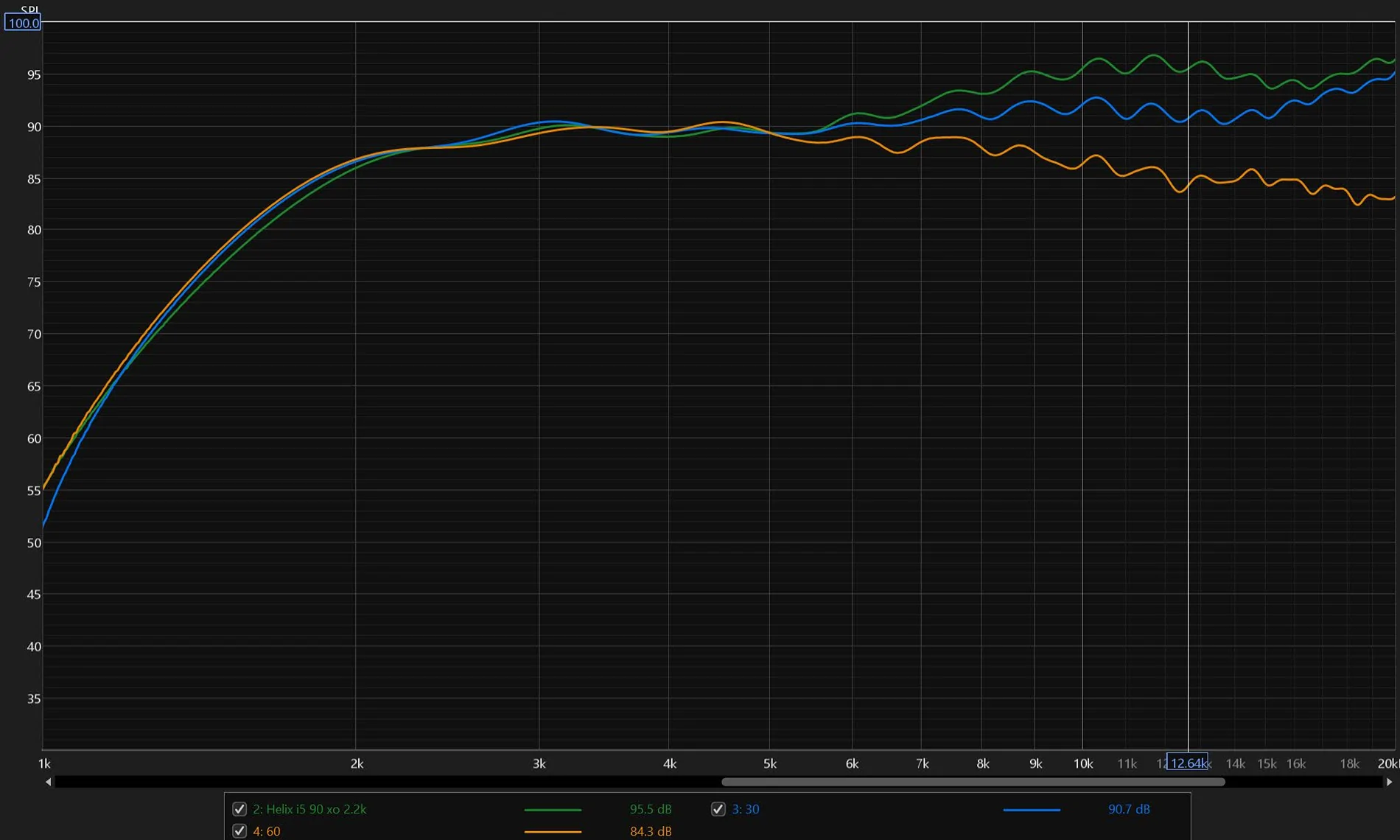
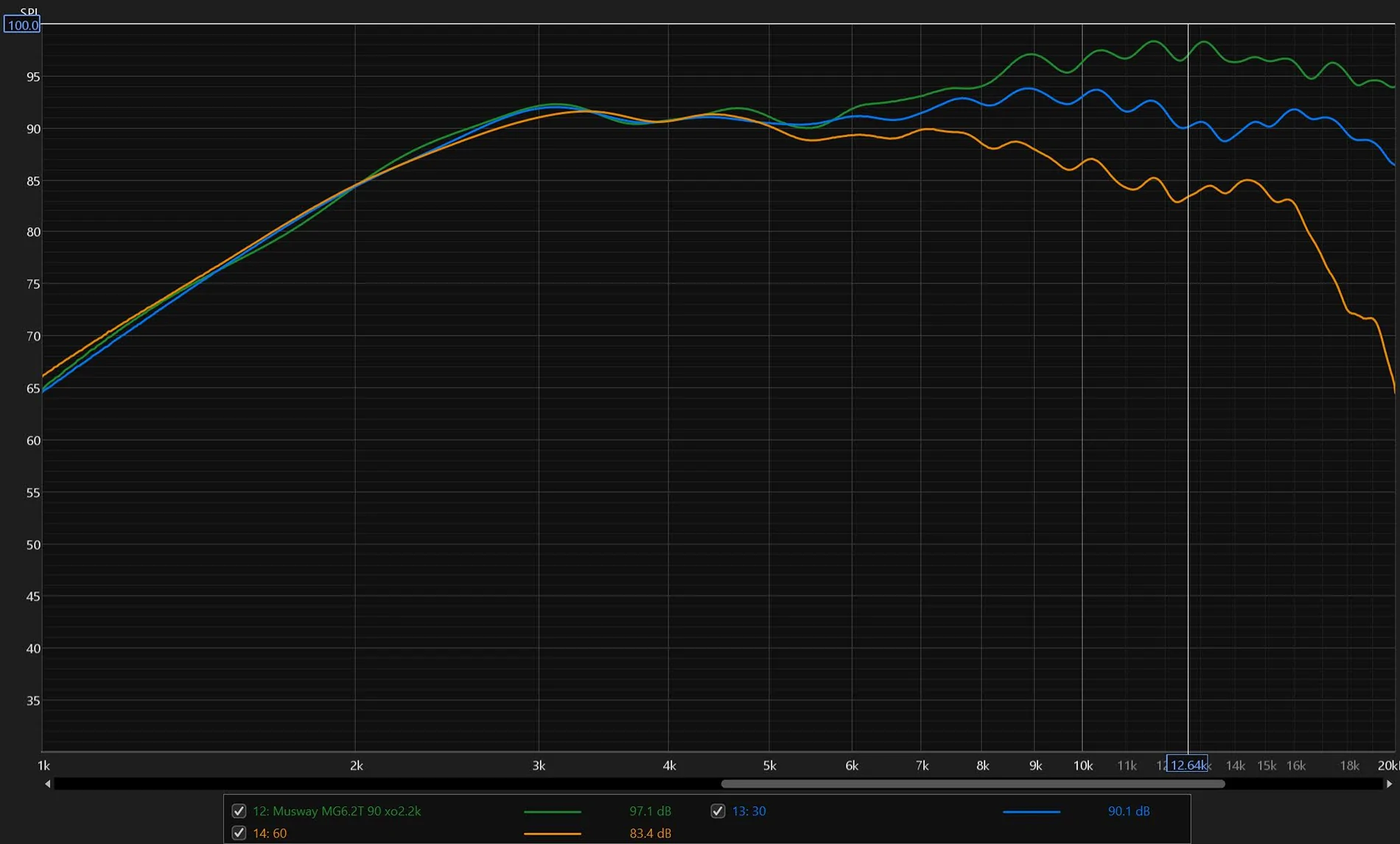
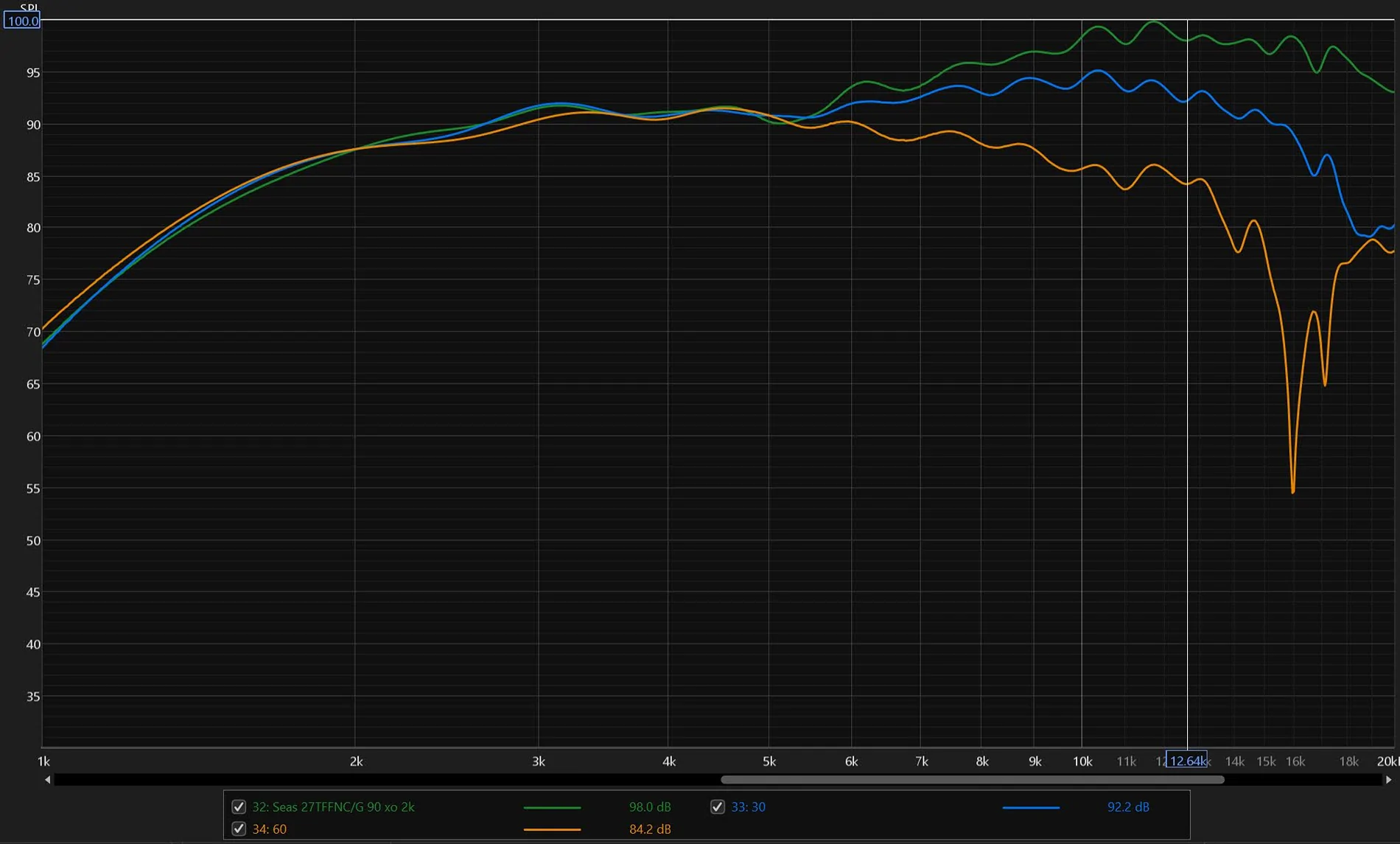
Ok I understand this clarification, but I still disagree with the belief that there is a minimum input power that varies by driver beyond the sensitivity spec. If Driver A - I don't care how big, heavy, light, stiff, soft, etc. it is or even if it's a tweeter or a woofer - has a higher sensitivity than Driver B, it will be louder with the same input power, even if that power is just one watt. Because that's literally what the sensitivity spec is. There are no downstream forces at play that would counteract this measured reality because sensitivity IS the final downstream measurement (again, sensitivity is empirical, not calculated).
Drivers are indeed "designed for power levels" but that's based on their thermal capacity (the high end of the power spec, not the low end). Under-driving a speaker is totally fine so long as you are not clipping the input signal. There's no downside at all to that.
Again, to be super clear, I disagree that you can infer drivers with different power handling specs necessarily should be run at different power levels to sound good. As long as you are below the thermal power handling limits and you are sending a clean signal, there's no sound quality or quantity issue at all.
Drivers are indeed "designed for power levels" but that's based on their thermal capacity (the high end of the power spec, not the low end). Under-driving a speaker is totally fine so long as you are not clipping the input signal. There's no downside at all to that.
Again, to be super clear, I disagree that you can infer drivers with different power handling specs necessarily should be run at different power levels to sound good. As long as you are below the thermal power handling limits and you are sending a clean signal, there's no sound quality or quantity issue at all.
Sponsored