Sponsored


OP
OP
Ash @ S2i Audio

Ash @ S2i Audio

CivicX Basic Sponsor
First Name
Ash
Joined
Aug 19, 2025
Threads
20
Messages
657
Reaction score
557
Location
Northern VA
Website
www.s2iaudio.com
Car(s)
2025 ITS
Does your add on allow for any channel control/normalization or is it just intended for an aftermarket amp?

I really don't like the els, but I also really don't want to go through the hassle of replacing all the speakers and finding stuff that fits appropriately. I suspect the drivers aren't horrendous since certain volumes seem to be okay, but I think the eq is awful and like you said, the scaling...
If you want better sound but don't want to go insane on cost and complexity, I recommend the following:

1) Get a Match UP10 DSP amplifier for 65Wx8 plus 160Wx2 of amplified power.
2) replace only the front door woofers with a pair of Audison AP6.5P midbasses and get a 4 ohm DVC subwoofer. All other speakers can remain stock.
3) power the main speakers with the eight 65W channels and the single sub with the two 160W channels, one on each coil.
4) Don't use the factory subwoofer enclosure unless you absolutely don't want to use up any trunk space. Even a small 8 inch sub in an MDF enclosure will outperform it.

For the 8 main channels, power them this way:
1, 2 - front midbasses
3, 4 - front mids and tweeters
5 - front center channel
6, 7 - rear door midbasses + tweeters
8 (mono, in series) - rear c pillar widebands with time delay to simulate concert venue reflections
9, 10 - DVC subwoofer

Imo this is the best price/performance option.


Edit: oh, and sound deaden your front doors, at a bare minimum.
Sponsored

 
Last edited:
OP
OP
Ash @ S2i Audio

Ash @ S2i Audio

CivicX Basic Sponsor
First Name
Ash
Joined
Aug 19, 2025
Threads
20
Messages
657
Reaction score
557
Location
Northern VA
Website
www.s2iaudio.com
Car(s)
2025 ITS
Ahh I didn't know they went to A2B on the 2026s, that makes sense that it would require some re-work.

The question/proposal I had about just tee-ing off the factory signal, as I would love to use it, would not require any re-injection of a speaker signal back into the harness, it would be more of just tapping the signal and volume controls to send back to an aftermarket DSP, and new wiring would be run as needed to each individual driver that is installed from that point. Basically just a tee-off of the factory digital signal and volume control without involving any of the stock speaker wiring, if that makes sense. It was an idea I had thought about, mainly for adding a subwoofer without dealing with the entire system replacement OR having to deal with the stock amp EQ/crossovers and frequency rolloff. Perhaps?

I guess I'm also realizing now that having a stock amp dealing with the mids and highs and most of the midbass and an aftermarket amp dealing with just the bass, but having two almost arbitrary gain levels would not be great for integration, and I don't know how they could be matched. Maybe there's some way to tap not only the digital signal for audio but also front speaker output as some sort of gain reference? I'm just talking out of my ass here I have no idea how any of this actually works
I apologize, I totally thought I replied to this but I guess I hallucinated lol.

I totally get what you're proposing here but in practice it will be very complicated and ultimately not worth the effort when comparing to simply buying enough channels of amplification to cover all the speakers. The engineering problem of tapping digital signals is far more complex than for analog and in some cases, not even possible. Spdif for example can't just be tapped into a Y because it would break the termination impedance and cause reflections. You would need to regenerate the signal to add a node to the end of an Spdif line. Rs485 is a bit easier but this would still necessitate a board redesign.

I could go on, but the theme continues. Possible, but complex, and more expensive than just buying more aftermarket amplification channels.
 
Last edited:

Victorofhavoc

Senior Member
First Name
Gordan
Joined
Jul 9, 2024
Threads
12
Messages
1,825
Reaction score
1,287
Location
Kansas City
Car(s)
Integra type s
If you want better sound but don't want to go insane on cost and complexity, I recommend the following:

1) Get a Match UP10 DSP amplifier for 65Wx8 plus 160Wx2 of amplified power.
2) replace only the front door woofers with a pair of Audison AP6.5P midbasses and get a 4 ohm DVC subwoofer. All other speakers can remain stock.
3) power the main speakers with the eight 65W channels and the single sub with the two 160W channels, one on each coil.
4) Don't use the factory subwoofer enclosure unless you absolutely don't want to use up any trunk space. Even a small 8 inch sub in an MDF enclosure will outperform it.

For the 8 main channels, power them this way:
1, 2 - front midbasses
3, 4 - front mids and tweeters
5 - front center channel
6, 7 - rear door midbasses + tweeters
8 (mono, in series) - rear c pillar widebands with time delay to simulate concert venue reflections
9, 10 - DVC subwoofer

Imo this is the best price/performance option.


Edit: oh, and sound deaden your front doors, at a bare minimum.
I sound deadened the doors, sealed the hatch entirely, deadened the stock enclosure (want it oem and subwoofers in independent enclosures for track use can be scary), and the rf sub. I haven't done the amp yet, but that's just laziness. It's sitting on the shelf waiting for me to make time.

Are the audison direct fit?
 

crash1340

Member
First Name
Corie
Joined
Jul 14, 2019
Threads
0
Messages
7
Reaction score
3
Location
Charlotte, NC
Car(s)
2026 Civic Si
If I'm understanding what you're asking, I believe a high current input amp would do what you're asking. They essentially allow the factory wires to plug in and then it scales the power up and down with the factory scaling, but then you further adjust at the aftermarket amp for (typically) additional power.

That said, the limit is still the factory scaling sucks. However, if you're typically at one or two consistent volumes (and most of us probably are), you'd just set those the way you like and compromise the rest...
Yeah I could always go for an amp that accepts high level inputs but that still puts me at the mercy of factory EQ/crossover/etc that I would LOVE to avoid or bypass if at all possible. It appears not possible in the way I would want, so I'd be stuck with doing the entire system anyway which isn't bad but ultimately more work than I had hoped for.
 

Sponsored

OP
OP
Ash @ S2i Audio

Ash @ S2i Audio

CivicX Basic Sponsor
First Name
Ash
Joined
Aug 19, 2025
Threads
20
Messages
657
Reaction score
557
Location
Northern VA
Website
www.s2iaudio.com
Car(s)
2025 ITS
Yeah I could always go for an amp that accepts high level inputs but that still puts me at the mercy of factory EQ/crossover/etc that I would LOVE to avoid or bypass if at all possible. It appears not possible in the way I would want, so I'd be stuck with doing the entire system anyway which isn't bad but ultimately more work than I had hoped for.
Do you like rear fill or are you a front stage + subwoofer only kind of guy? (Asking so I can make a tailored suggestion).
 

crash1340

Member
First Name
Corie
Joined
Jul 14, 2019
Threads
0
Messages
7
Reaction score
3
Location
Charlotte, NC
Car(s)
2026 Civic Si
I apologize, I totally thought I replied to this but I guess I hallucinated lol.

I totally get what you're proposing here but in practice it will be very complicated and ultimately not worth the effort when comparing to simply buying enough channels of amplification to cover all the speakers. The engineering problem of tapping digital signals is far more complex than for analog and in some cases, not even possible. Spdif for example can't just be tapped into a Y because it was break the termination impedance and cause reflections. You would need to regenerate the signal to add a node to the end of an Spdif line. Rs485 is a bit easier but this would still necessitate a board redesign.

I could go on, but the theme continues. Possible, but complex, and more expensive than just buying more aftermarket amplification channels.
I was unaware of the impedance aspect of that, I didn't realize that such a thing mattered to SPDIF... Being a mechanic It's already such a pain to deal with sometimes on CAN stuff...

I do recall the older "premium" amps in the FK8 had test points that signal could be grabbed from to avoid the factory amplification, though it still ran through the stock DAC and processing. I REALLY wish someone could sniff/dump firmware for the amp and develop a way to edit the stock crossovers and EQ settings to really dial it all in, with a laptop or phone or something like aftermarket DSPs can do... I mean it's all just flash memory and the amp manufacturer has some kind of programming tool, how hard could it be?

Very, I'd imagine.... But I can dream!
 
OP
OP
Ash @ S2i Audio

Ash @ S2i Audio

CivicX Basic Sponsor
First Name
Ash
Joined
Aug 19, 2025
Threads
20
Messages
657
Reaction score
557
Location
Northern VA
Website
www.s2iaudio.com
Car(s)
2025 ITS
I still think you're thinking about this the wrong way (respectfully). Sure, you could do all the reverse engineering you just described but it would be more work than an aftermarket DSP solution and it would still sound worse thanks to an inferior DAC implementation vs any of the easily obtainable common DSP brands. And you wouldn't have the flexible tuning ability of the DSP, plus time alignment, various filter adjustments, preset capability, and more.
 

ABPDE5

Senior Member
Joined
Jun 24, 2023
Threads
10
Messages
754
Reaction score
609
Location
ME
Car(s)
2024 Integra Type S
On the ELS equipped Integras: 16 speakers and 12 channels.

The parallel speakers are the front upper door mids + a pillar tweeters, and the rear door woofers + tweeters. The rest are independent.
Seems odd to me the doors are set up differently, re: fronts powered separately and rears in parallel given the speaker setup looks like it is identical.

Anyway, if we want to use your unit to swap in an amp / dsp while maintaining the factory wiring, we need a 12 channel dsp / amp?

Direct fit? Not following brodda, sorry.
I think he's asking if you need to do a custom adapter to swap in woofers for the doors. l'm curious, too.

I've also treated the cabin / doors / hatch and sub cabinet + replaced the sub driver. I've been following this (and love what you've done), and I'm on the fence re: inline amp for the sub vs. full DSP. I'm not up for a big job re: diy custom fab to accommodate drivers, and I don't have a 3d printer 😭
 
Last edited:

Sponsored

Victorofhavoc

Senior Member
First Name
Gordan
Joined
Jul 9, 2024
Threads
12
Messages
1,825
Reaction score
1,287
Location
Kansas City
Car(s)
Integra type s
Seems odd to me the doors are set up differently, re: fronts powered separately and rears in parallel given the speaker setup looks like it is identical.

Anyway, if we want to use your unit to swap in an amp / dsp while maintaining the factory wiring, we need a 12 channel dsp / amp?


I think he's asking if you need to do a custom adapter to swap in woofers for the doors. l'm curious, too.

I've also treated the cabin / doors / hatch and sub cabinet + replaced the sub driver. I've been following this (and love what you've done), and I'm on the fence re: inline amp for the sub vs. full DSP. I'm not up for a big job re: diy custom fab to accommodate drivers, and I don't have a 3d printer 😭
Yeah, spot on and same.

I do have a 3d printer so if you want something printed, dm me and we can work it out. Down side to 3d prints is that most materials won't survive long term in a door. Even abs and Asa will be pushed to their heat/cold limit after a while. Pla will turn into goop in one hot day, petg will take a few months. Abs and Asa will last much, much longer but eventually the hot/cold cycling will cause deamination or cracking. May take several years of cycling, but it will happen at some point. Abs would be my choice to print in and most likely for long term success.

Mdf or plywood still often wins, especially marine plywood.
 
OP
OP
Ash @ S2i Audio

Ash @ S2i Audio

CivicX Basic Sponsor
First Name
Ash
Joined
Aug 19, 2025
Threads
20
Messages
657
Reaction score
557
Location
Northern VA
Website
www.s2iaudio.com
Car(s)
2025 ITS
Ah, sorry guys now I understand the question. And I'll also address the FAQ-worthy (I'm adding it to the site) question about "which speakers must be replaced" etc:

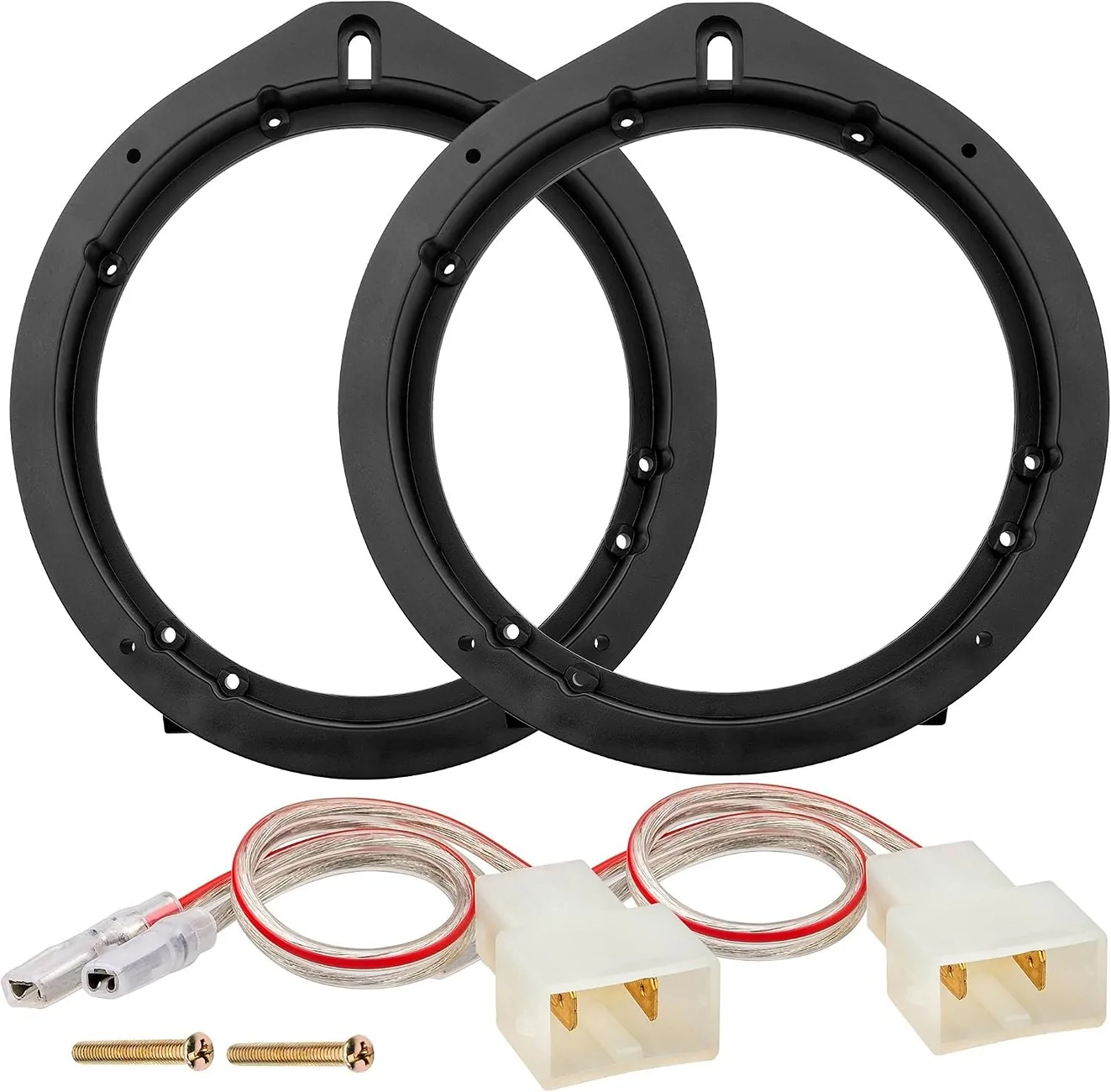
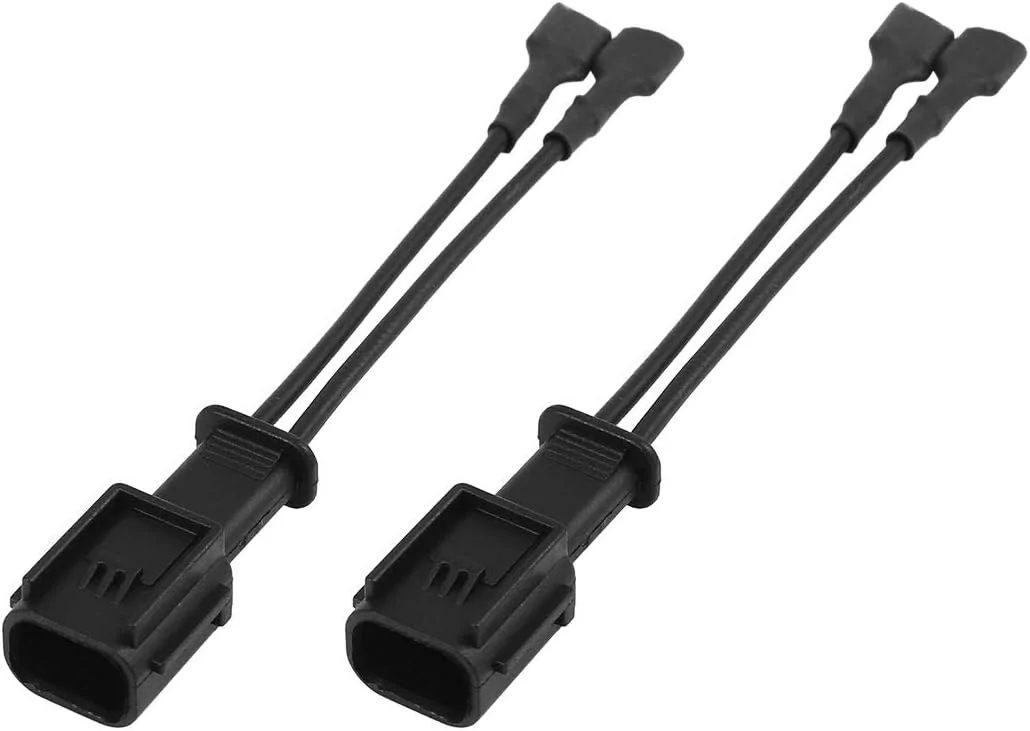
1) Door speaker replacement - what parts do I need?
Speaker adapter plate
Speaker harness adapter
Foam sealing tape
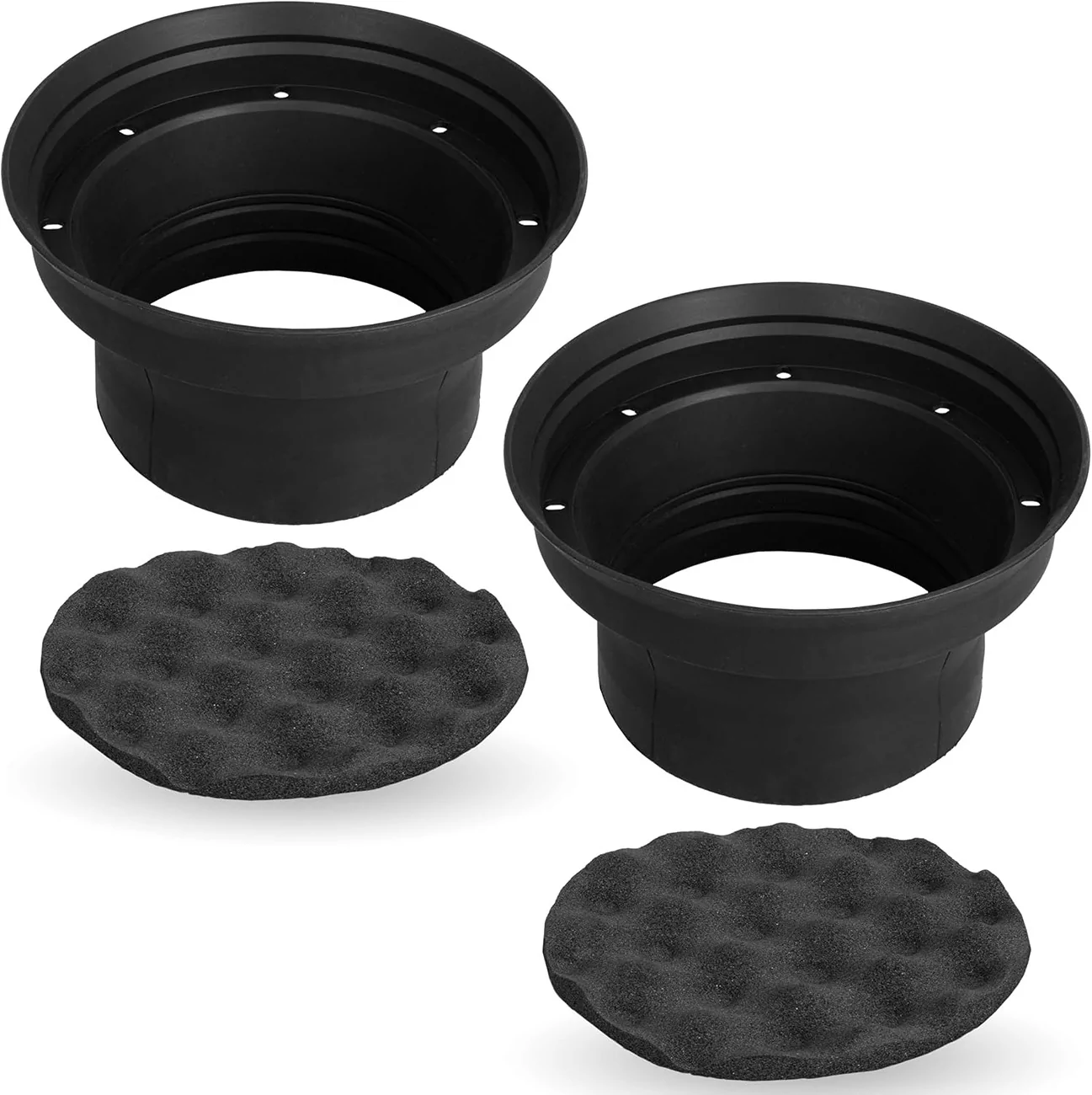
optional but recommended: waterguard + frontwave guide

These items above are all you need to install any typical 6.5" driver into the front or rear doors. Use the foam sealing tape against the doors and the adapter to ensure an airtight seal. If you're opting to use sound deadening material around the mounting area then it can serve as the sealing surface instead if it's a flexible type.

Acura Integra BUILT: Digital Factory Infotainment Integration for ELS Studio 71BmdzkFc9L._AC_SL1500_

Acura Integra BUILT: Digital Factory Infotainment Integration for ELS Studio 51PV0KzVLcL._AC_SL1100_
Acura Integra BUILT: Digital Factory Infotainment Integration for ELS Studio 81cHT3TB3xL._AC_SL1500_


2) "Anyway, if we want to use your unit to swap in an amp / dsp while maintaining the factory wiring, we need a 12 channel dsp / amp?"

This is a great question. I want to take my time answering it thoroughly but hopefully also clearly. Please reply if I don't do a good job of either!

I'll start by saying you do not NEED to replace all or even any of the speakers in the car to upgrade to a DSP (this statement applies whether or not you use PURE - it's a design strategy statement). The factory sound system in cars tend to be limited by two things, mainly: amplifier quality and speaker quality. Note that I put amplifier quality first - this is intentional. You can actually get a lot more out of the factory speakers by giving them more clean power with the ability to fine-tune the entire passband of every speaker to the nth degree. Factory tuning is most set up to mask out the limitations of the factory hardware and the lack of sound deadening in most cars. It also is designed to make up for the fact that there is often either no subwoofer, or a very weak one. So these systems tend to be tuned to make the main speakers overcompensate for this limitation, which often makes them do things they weren't designed to do.

Moving to any aftermarket DSP and amplifier with more power than stock opens you up to much better tuning strategies that can give each speaker/channel the opportunity to do their jobs more efficiently.

And here's the second piece: if you also replace only certain speakers that are the biggest electromechanical weaknesses of the system (the front door midbasses and the trunk subwoofer), you can free up the rest of the speakers in the car to do their jobs much more efficiently, again with cleaner power and a tailored tune.

Here's the final piece of my answer to your question: you don't NEED to replace all the main speakers in the car AND you don't WANT to use them all either. I'll explain.

Modern OEM midranges, tweeters, and even midbasses if crossed over high enough are often decent enough electromechanical devices for good enough sound if they are fed a tuned signal. The advent of DSP has really made sound character a moot point, as you can EQ in any output curve you want. The real benefit of new speakers is the opportunity for lower distortion, greater volume producing capability, and greater low-frequency capability. Upper frequencies are much much easier to reproduce and don't require nearly as much power to do so. So will new speakers in the mid and high frequency positions help? Yes. Are they necessary? No. Are they recommended? Yes.

The deeper point I want to make that's really really important IMHO: you do not need to re-use every channel/speaker of the car's OEM sound system. Most OEM sound systems come with way more channels than they need, and in fact than you want, for a quality stereo image. See my rant below for my opinion on why they do this, and why I think it's annoying and stupid.

You can and should leave some of the factory speakers simply undriven. They will sit inert and do nothing. The channels I recommend not driving at all are the roof speakers and the rear C-pillar speakers. The roof speakers are gimmicky and there for the "3D" ELS effects and they are not essential and can even be harmful for a quality stereo "live sound" image. The rear C-pillar (hatch area) speakers are tiny whizzer type devices that just plain suck and aren't replaceable with better drivers due to their proprietary shape and extremely small size. Nothing other than perhaps a tweeter can fit back there. On a really high end sound system you could potentially find a way to utilize those areas with tweeters but it's just unnecessary since you can use the rear door locations for the same purpose.

The factory locations that are crucial for sound quality and should be re-used are:
A) front door speakers (all)
B) Front A-pillar tweeters
C) Front center channel midrange
D) rear door speakers (all)
E) Subwoofer (factory location or separate trunk enclosure)

So, my extremely long answer to your question is no, you do not need a 12 channel DSP amplifier to upgrade our sound system. I recommend only getting enough channels to drive the above locations. And even then, rear fill (the rear door locations) are a personal preference and are therefore optional.

Practically speaking, on our ELS equipped cars this equates to 8 channels total, including the subwoofer. If not using rear fill, then it's 6 channels. Now, if you want to take better advantage of the front stage and separate out the door midranges from the A pillar tweeters actively (you'll need to run a second set of wires for the tweeters) then add in two more channels for this full-active three-way front stage. I recommend this for the best possible SQ but it's not mandatory.


3) "Seems odd to me the doors are set up differently, re: fronts powered separately and rears in parallel given the speaker setup looks like it is identical."

It's actually a pretty common implementation across brands as it allows them to get more speakers into the car off of less channels, and the (sad) marketing trend is to claim more speakers == better which is categorically not true. Sometimes less is better, sometimes more is better. It's what you are doing with them and why they exist that matters most. But the average car buyer isn't well-informed so the manufacturers choose to appeal to the more basic human instincts in their marketing AND in their design. Sorry for the rant, lol.


Whew, that was a lot. Please ask any followup questions, or just tell me to shut up and sit in the corner, lmao!

-Ash
 

ABPDE5

Senior Member
Joined
Jun 24, 2023
Threads
10
Messages
754
Reaction score
609
Location
ME
Car(s)
2024 Integra Type S
Ah, sorry guys now I understand the question. And I'll also address the FAQ-worthy (I'm adding it to the site) question about "which speakers must be replaced" etc:

1) Door speaker replacement - what parts do I need?
Speaker adapter plate
Speaker harness adapter
Foam sealing tape
optional but recommended: waterguard + frontwave guide

These items above are all you need to install any typical 6.5" driver into the front or rear doors. Use the foam sealing tape against the doors and the adapter to ensure an airtight seal. If you're opting to use sound deadening material around the mounting area then it can serve as the sealing surface instead if it's a flexible type.

71BmdzkFc9L._AC_SL1500_.webp

51PV0KzVLcL._AC_SL1100_.webp
81cHT3TB3xL._AC_SL1500_.webp


2) "Anyway, if we want to use your unit to swap in an amp / dsp while maintaining the factory wiring, we need a 12 channel dsp / amp?"

This is a great question. I want to take my time answering it thoroughly but hopefully also clearly. Please reply if I don't do a good job of either!

I'll start by saying you do not NEED to replace all or even any of the speakers in the car to upgrade to a DSP (this statement applies whether or not you use PURE - it's a design strategy statement). The factory sound system in cars tend to be limited by two things, mainly: amplifier quality and speaker quality. Note that I put amplifier quality first - this is intentional. You can actually get a lot more out of the factory speakers by giving them more clean power with the ability to fine-tune the entire passband of every speaker to the nth degree. Factory tuning is most set up to mask out the limitations of the factory hardware and the lack of sound deadening in most cars. It also is designed to make up for the fact that there is often either no subwoofer, or a very weak one. So these systems tend to be tuned to make the main speakers overcompensate for this limitation, which often makes them do things they weren't designed to do.

Moving to any aftermarket DSP and amplifier with more power than stock opens you up to much better tuning strategies that can give each speaker/channel the opportunity to do their jobs more efficiently.

And here's the second piece: if you also replace only certain speakers that are the biggest electromechanical weaknesses of the system (the front door midbasses and the trunk subwoofer), you can free up the rest of the speakers in the car to do their jobs much more efficiently, again with cleaner power and a tailored tune.

Here's the final piece of my answer to your question: you don't NEED to replace all the main speakers in the car AND you don't WANT to use them all either. I'll explain.

Modern OEM midranges, tweeters, and even midbasses if crossed over high enough are often decent enough electromechanical devices for good enough sound if they are fed a tuned signal. The advent of DSP has really made sound character a moot point, as you can EQ in any output curve you want. The real benefit of new speakers is the opportunity for lower distortion, greater volume producing capability, and greater low-frequency capability. Upper frequencies are much much easier to reproduce and don't require nearly as much power to do so. So will new speakers in the mid and high frequency positions help? Yes. Are they necessary? No. Are they recommended? Yes.

The deeper point I want to make that's really really important IMHO: you do not need to re-use every channel/speaker of the car's OEM sound system. Most OEM sound systems come with way more channels than they need, and in fact than you want, for a quality stereo image. See my rant below for my opinion on why they do this, and why I think it's annoying and stupid.

You can and should leave some of the factory speakers simply undriven. They will sit inert and do nothing. The channels I recommend not driving at all are the roof speakers and the rear C-pillar speakers. The roof speakers are gimmicky and there for the "3D" ELS effects and they are not essential and can even be harmful for a quality stereo "live sound" image. The rear C-pillar (hatch area) speakers are tiny whizzer type devices that just plain suck and aren't replaceable with better drivers due to their proprietary shape and extremely small size. Nothing other than perhaps a tweeter can fit back there. On a really high end sound system you could potentially find a way to utilize those areas with tweeters but it's just unnecessary since you can use the rear door locations for the same purpose.

The factory locations that are crucial for sound quality and should be re-used are:
A) front door speakers (all)
B) Front A-pillar tweeters
C) Front center channel midrange
D) rear door speakers (all)
E) Subwoofer (factory location or separate trunk enclosure)

So, my extremely long answer to your question is no, you do not need a 12 channel DSP amplifier to upgrade our sound system. I recommend only getting enough channels to drive the above locations. And even then, rear fill (the rear door locations) are a personal preference and are therefore optional.

Practically speaking, on our ELS equipped cars this equates to 8 channels total, including the subwoofer. If not using rear fill, then it's 6 channels. Now, if you want to take better advantage of the front stage and separate out the door midranges from the A pillar tweeters actively (you'll need to run a second set of wires for the tweeters) then add in two more channels for this full-active three-way front stage. I recommend this for the best possible SQ but it's not mandatory.


3) "Seems odd to me the doors are set up differently, re: fronts powered separately and rears in parallel given the speaker setup looks like it is identical."

It's actually a pretty common implementation across brands as it allows them to get more speakers into the car off of less channels, and the (sad) marketing trend is to claim more speakers == better which is categorically not true. Sometimes less is better, sometimes more is better. It's what you are doing with them and why they exist that matters most. But the average car buyer isn't well-informed so the manufacturers choose to appeal to the more basic human instincts in their marketing AND in their design. Sorry for the rant, lol.


Whew, that was a lot. Please ask any followup questions, or just tell me to shut up and sit in the corner, lmao!

-Ash
Great info -- thanks. I was planning on dropping the headliner speakers... good to know we can drop the C pillar speakers.

The 6.5" adapters you linked (fantastic we can use these) come with a harness. Do we need the autohaux harness, as well?

I was planning on trying to find a way to seal the drivers to the door panel using foam surrounds . There's a pretty significant amount of space in there, it seems. Would you use the rubber rings? I suppose they help circumvent the lack of space on the woofer surrounds (hard to mount a foam surround)?
 
Last edited:
OP
OP
Ash @ S2i Audio

Ash @ S2i Audio

CivicX Basic Sponsor
First Name
Ash
Joined
Aug 19, 2025
Threads
20
Messages
657
Reaction score
557
Location
Northern VA
Website
www.s2iaudio.com
Car(s)
2025 ITS
Good followup questions:

1)The wiring adapters that come with those rings don't work on our cars. throw them away. You will need the Autohaux adapters

2) Foam works great for front sealing, but the rubber rings kind of give you a two-for one deal: they protect the rear of the speakers from rainwater, and the flexible front ring area focuses the front wave. I use these on my car and what I also did was cut off the bottom half (downward-facing) portion of the rubber so that the back wave of the woofer can breathe into the door, but the top-facing edge is still covered and therefore protected from rainwater.
 

goobax

Member
Joined
May 16, 2026
Threads
0
Messages
27
Reaction score
29
Location
texas
Car(s)
2026 Integra Type S
@ash

those small black speaker harness adapters, which speakers do those go to? I’m assuming if the mids and front tweeters in particular are wired in parallel they would have some sort of 4-way plug, no?
Sponsored


Top