

ashmostro
Senior Member
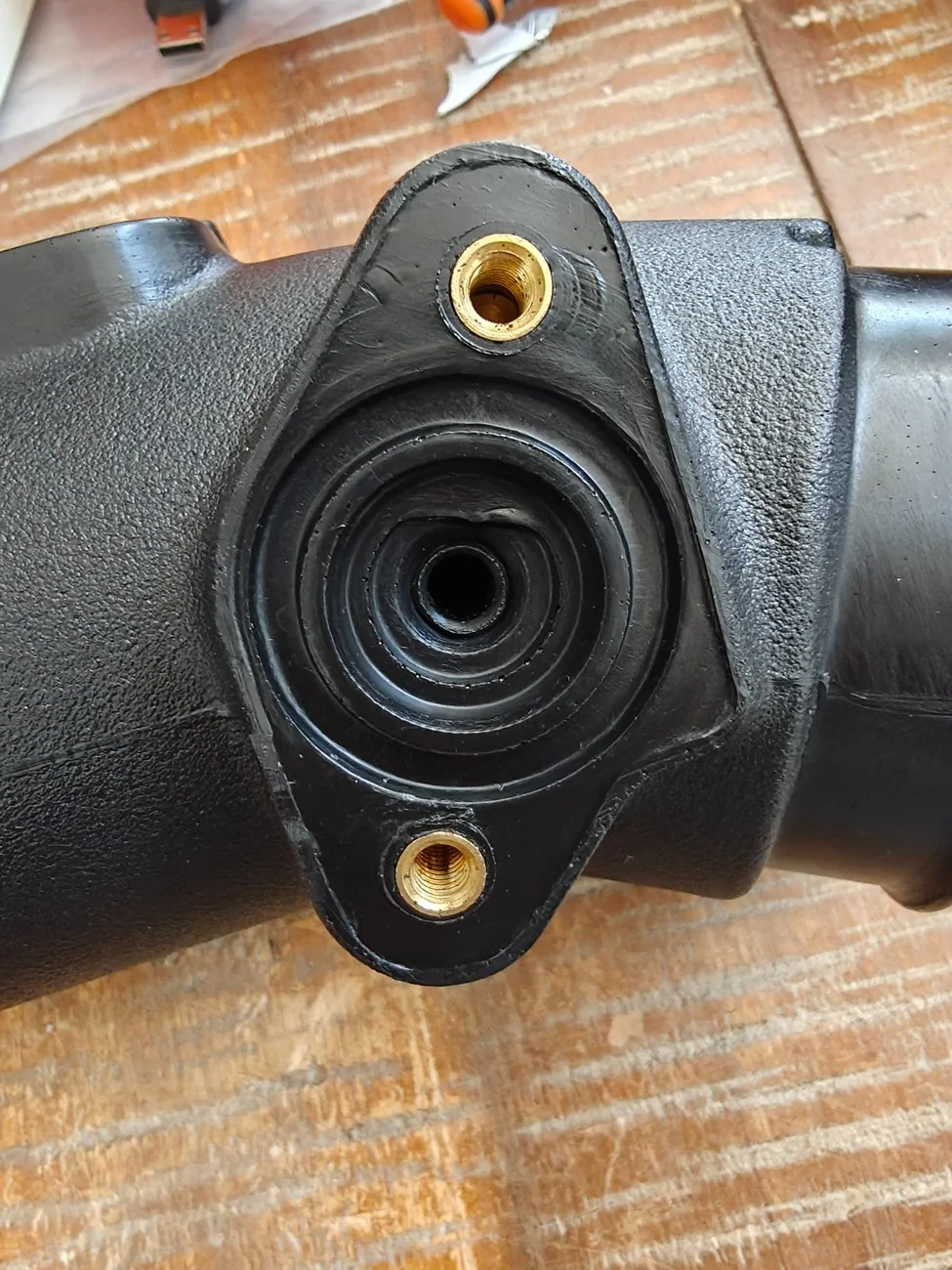
I recently installed the Takeda intake and ran an experiment using different sealing techniques on the evaporation purge port, which is pictured below.
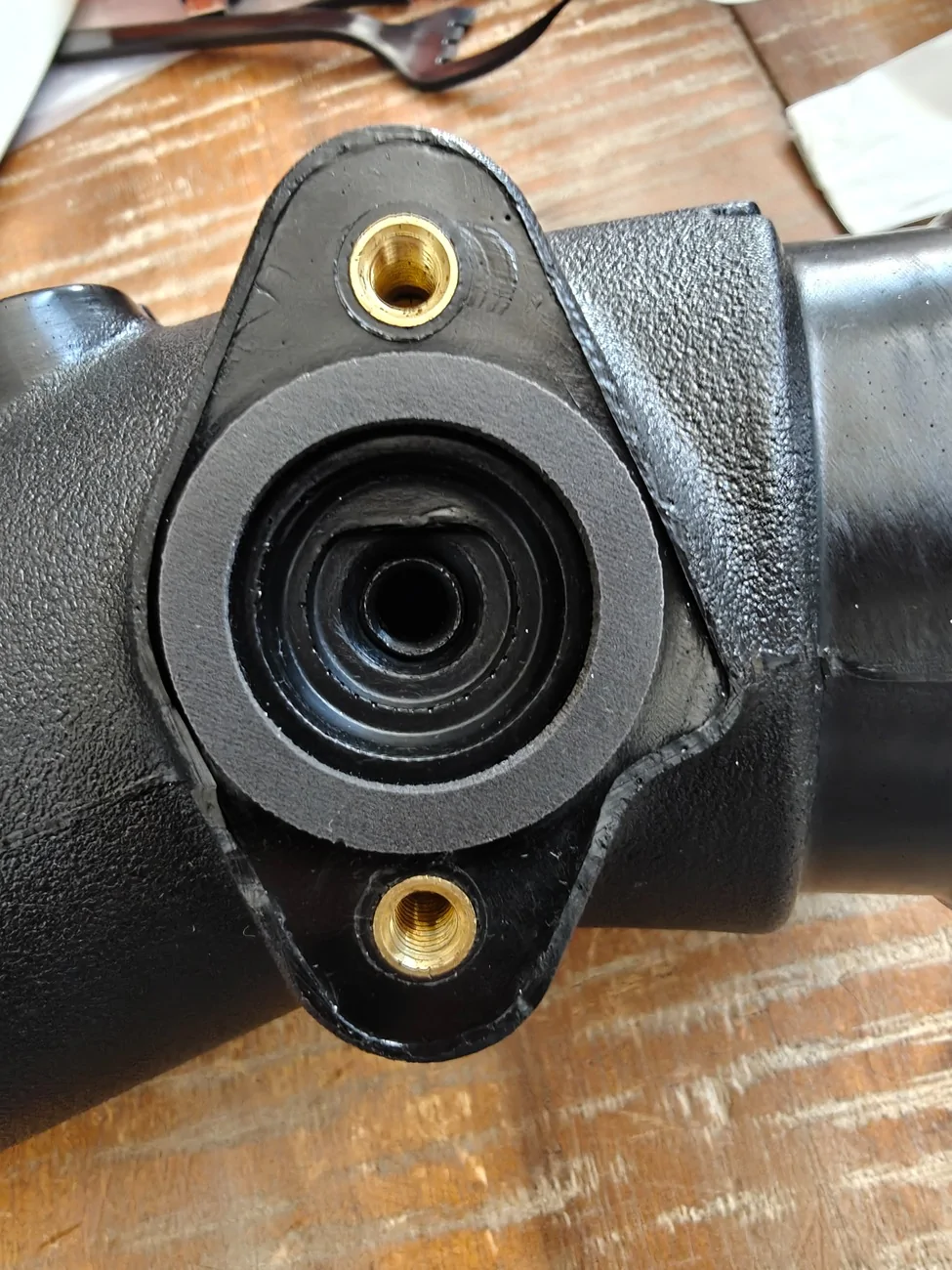
This sensor system is very sensitive to the quality of the seal... Any minute leakage and the P04F0 code gets thrown. Takeda has begun manufacturing a new tube that uses a more OEM like captured o ring seal, while the original version uses the foam gasket that you see pictured below (I have the older foam gasket version).
The foam gasket works fine IF you install it correctly. It's got a slightly larger radial thickness than the channel in the Takeda rotomolded tube, which is a design flaw IMO. You need to ensure that the entire adhesive surface is fully seated in the tube channel, with no portion caught on the inner or outer walls of the channel thereby leaving a tunnel underneath the gasket for air to pass through. With a proper install, you should not get codes.
I also experimented using o rings (in place of the foam gasket) of differing thicknesses and they worked until I used an o ring that was too thick, which resulting on the factory plastic port assembly bending just enough around the o ring to cause a leak, and threw the code. If you want to go the O ring route on the original style part, don't go thicker than 3mm, ideally with 28mm ID and 34mm OD.
The foam doesn't run this risk as it compresses completely without deforming the factory port assembly. But again, it needs to be installed fully seated into the channel to prevent the "tunnel" leakage mode.

This sensor system is very sensitive to the quality of the seal... Any minute leakage and the P04F0 code gets thrown. Takeda has begun manufacturing a new tube that uses a more OEM like captured o ring seal, while the original version uses the foam gasket that you see pictured below (I have the older foam gasket version).
The foam gasket works fine IF you install it correctly. It's got a slightly larger radial thickness than the channel in the Takeda rotomolded tube, which is a design flaw IMO. You need to ensure that the entire adhesive surface is fully seated in the tube channel, with no portion caught on the inner or outer walls of the channel thereby leaving a tunnel underneath the gasket for air to pass through. With a proper install, you should not get codes.
I also experimented using o rings (in place of the foam gasket) of differing thicknesses and they worked until I used an o ring that was too thick, which resulting on the factory plastic port assembly bending just enough around the o ring to cause a leak, and threw the code. If you want to go the O ring route on the original style part, don't go thicker than 3mm, ideally with 28mm ID and 34mm OD.
The foam doesn't run this risk as it compresses completely without deforming the factory port assembly. But again, it needs to be installed fully seated into the channel to prevent the "tunnel" leakage mode.
Sponsored
Last edited: